


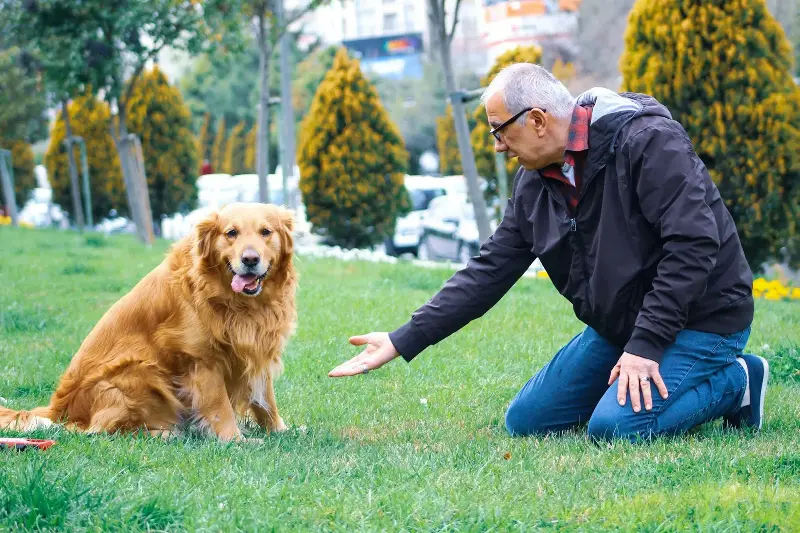
You may not always notice immediately, but changes in your dog’s vision can sneak up as quietly as a cat on tiptoes. Because our canine companions rely on so many senses to experience the world, gradual sight loss can be surprisingly subtle. Still, recognizing the early signs of vision loss is crucial in helping your dog adapt and continue to live a joyful, adventurous life. Understanding how dogs cope—and learning the best ways to support them—can turn a potential challenge into a brand new chapter filled with new ways to connect.
Common Signs Of Vision Loss In Dogs
Just like people, dogs can develop various eye conditions as they age, including cataracts, glaucoma, and retinal degeneration. Sometimes, vision loss is sudden; other times, it’s as slow and sneaky as a shadow lengthening in the evening. The earliest signs are often behavioral and may be dismissed as odd quirks or even grumpiness.
One of the first things you might notice is clumsiness. Your dog may start bumping into furniture, missing steps, or appearing hesitant in new environments. They may seem more anxious or startled, especially when approached from the side or behind. If your playful pup becomes less interested in fetching, hesitates at doorways, or stares blankly at objects you know they love, pay close attention.
Look for changes in their interaction with light. A dog losing sight might be more active at dusk or dawn, when light levels are low and it's harder to see. You may also see actual physical changes: dilated pupils that don’t respond well to light, cloudiness in the eyes (a sign of cataracts), or redness and discharge. Squinting, pawing at the face, or rubbing their eyes against the carpet can also be distress signals.
If your dog stumbles, grows increasingly wary of stairs, or gets lost in familiar places, these are all red flags. Sudden vision loss is especially urgent; if your dog’s eyes look unusually cloudy or one eye seems bigger than the other, call a vet as soon as possible.
When To Consult A Veterinarian
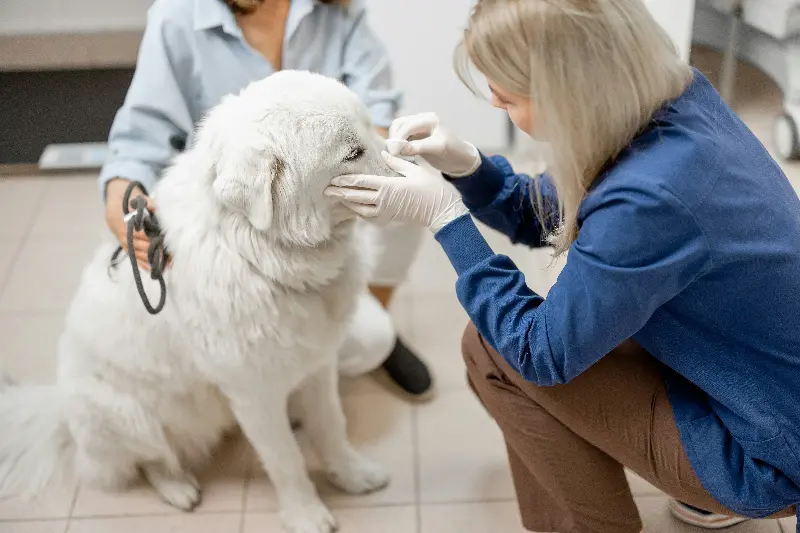
Any time your dog’s vision seems to change—whether it’s gradual or abrupt—it’s wise to schedule a visit with your veterinarian. Eye exams can help pinpoint the cause, be it age-related changes, injury, or an underlying medical condition like diabetes or high blood pressure. Many vision problems can be treated or slowed with early intervention.
Don’t try to diagnose at home. Some conditions, such as progressive retinal atrophy, have no treatment but can be managed. Others, like cataracts or glaucoma, may require surgery or medication. Your veterinarian might refer you to a veterinary ophthalmologist, the doggy version of an eye doctor, for more advanced diagnostics and care.
It's also worth noting that sudden blindness can be a sign of a systemic issue, not just an eye problem, so professional input is critical. Early detection is the best way to keep your dog comfortable and safe.
Adapting Your Home For A Visually Impaired Dog
Dogs are remarkably adaptable and often rely on their noses, ears, and memory even more than their eyes. With a few modifications, your home can become a totally navigable wonderland, even for a dog with compromised vision.
Keep furniture and rugs in consistent locations. Dogs memorize their environment, so rearranging the living room may throw them off balance. If you must move things, guide your dog slowly and create a new “mental map” together.
Use scents and textures to guide them. Place a textured mat at the entrance to each room, or use essential oil diffusers (in pet-safe scents) to distinguish spaces. Baby gates can block risky areas like stairs, and “bumper collars” provide a gentle nudge if they walk too close to obstacles.
Always announce your presence and speak before petting to avoid spooking your pup. Teaching new verbal cues like “step up,” “slow,” or “careful” helps dogs anticipate changes in their surroundings. And don't forget the benefits of familiar toys with squeakers or bells—life with vision loss doesn’t mean a boring routine!
Daily Activities And Quality Of Life
Dogs love routines and thrive on regular walks, play, and snuggles—even if they see the world a bit differently. Maintain walks in familiar areas and keep to the same route where possible. Use a short leash for gentle guidance and let your dog sniff—they’ll explore their world with their nose.
Stimulating toys make all the difference. Choose ones with scents, crinkles, or squeaks instead of relying purely on sight. There are even interactive toys with sounds designed for blind dogs.
Social interaction is crucial, too. Invite known doggy friends over for playtime in the safety of the backyard, or schedule gentle playdates with humans. Let your dog initiate, and keep an eye out for nervous body language.
Regular enrichment prevents boredom and frustration. Create new games: hide treats around the house and encourage your dog to find them by scent. Eventually, you’ll see their confidence blossom as they learn to trust their other senses.

Keeping A Positive Perspective
Many dog owners are surprised at how well their pets adjust to vision loss. For a dog, losing sight is just one bump in the road—they still find endless joy in sniffing, cuddling, and sharing special moments with you. More than anything, your encouragement, patience, and love are the secret ingredients for a happy, thriving pup, whatever the future brings.
With a sharp eye (and maybe sharper hearing!), you can spot the signs early and offer your dog the best, happiest life—one wag at a time.